
Portfolio / Reverse Engineering of Racing Seat
Reverse Engineering of Racing Seat
Digitisation and CAD reconstruction of a racing seat for composite mold development.
Overview
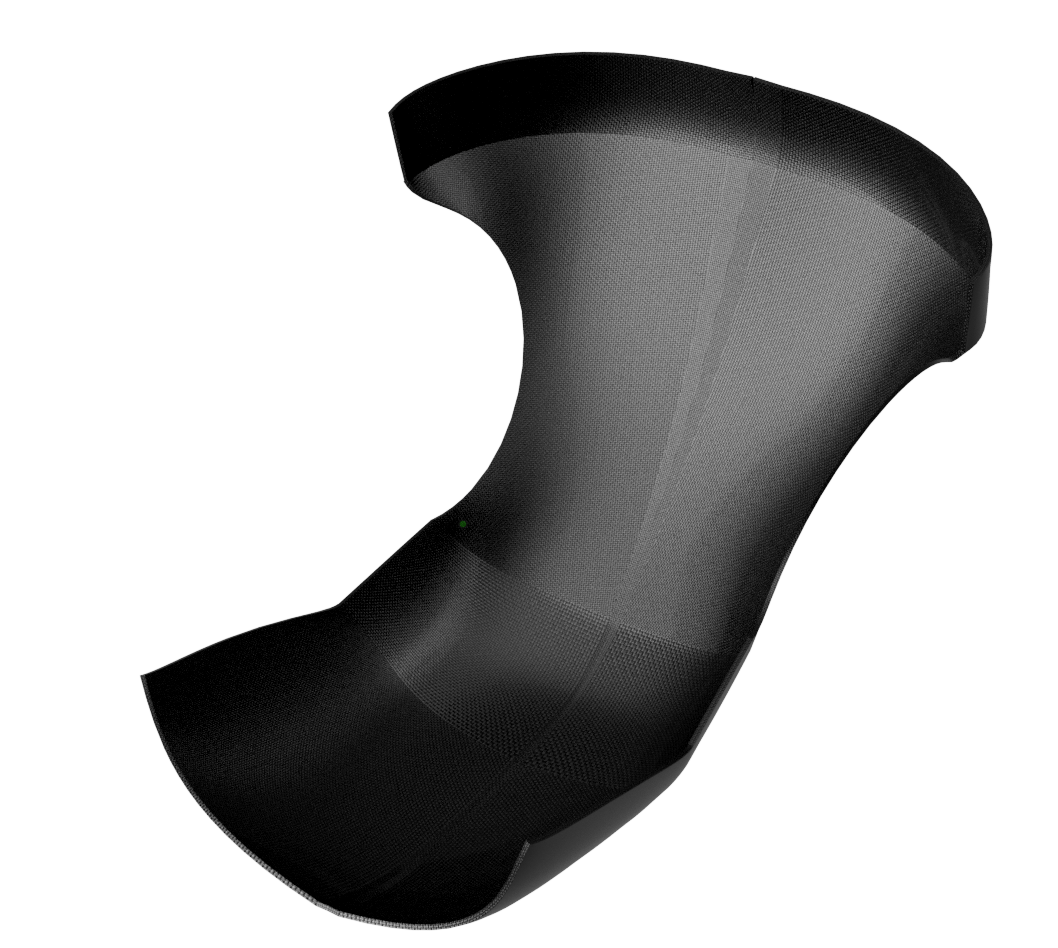
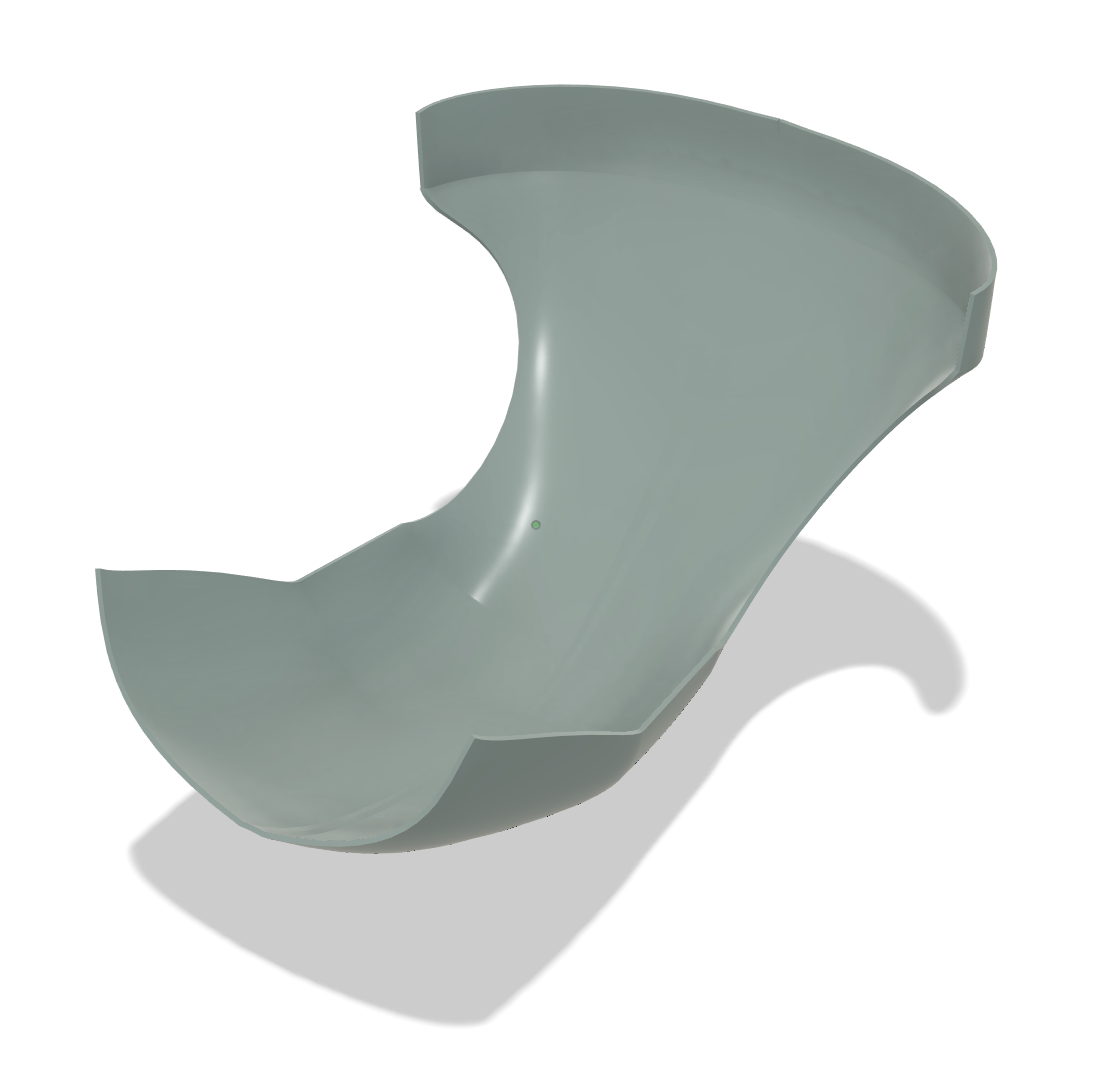
This project involved reverse engineering a racing car seat mold to generate a fully usable digital model for further development and composite manufacturing.
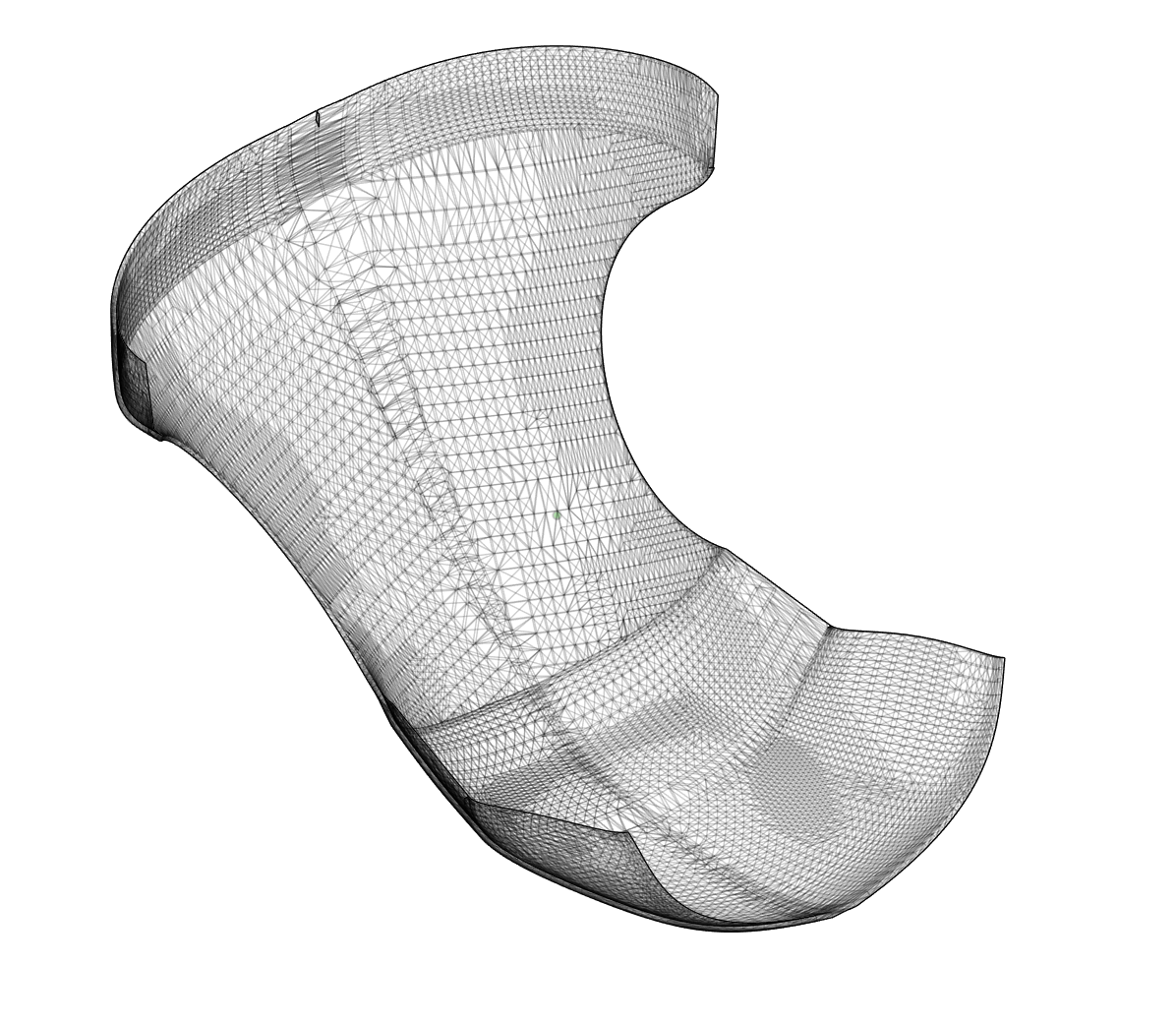
Using high-resolution 3D scanning, the physical geometry was captured and converted into an accurate digital representation. The resulting CAD model enables precise control of the geometry for mold design and downstream production processes.
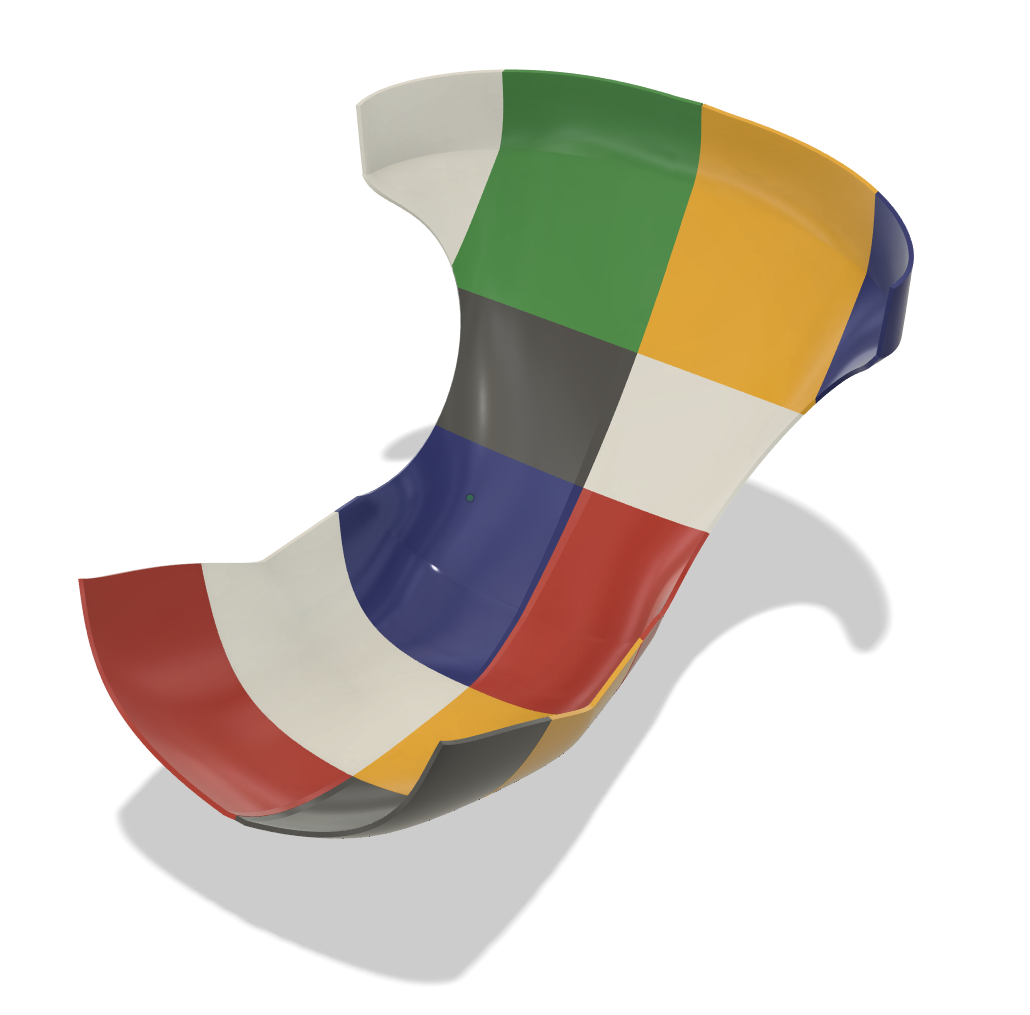
Additionally, the client required the model to be segmented into multiple parts to suit the build volume limitations of their 3D printer, enabling practical production of the components.
Challenge
The racing seat geometry consisted of complex freeform surfaces, requiring careful handling during both data capture and reconstruction.
Key challenges included:
capturing organic and ergonomic geometry accurately
maintaining smooth surface transitions
converting scan data into a usable CAD model
ensuring compatibility with composite manufacturing processes
splitting the model into printable sections while preserving geometry integrity
Process
High-resolution 3D scanning of the seat mold
Processing and clean-up of scan data
Reconstruction of geometry using surface modelling techniques
Conversion into a structured CAD model
Segmentation of the model into multiple parts for 3D printing
Preparation for composite mold development workflows
Result
A fully functional CAD model was delivered, enabling:
accurate mold development
composite lamination processes
practical 3D printing through segmented geometry
further design refinement and iteration
The model was provided in multiple sections, allowing the client to manufacture the components within the constraints of their 3D printer while maintaining overall geometric accuracy.
Technologies Used
Surface Modelling